About US
We are 'Akra'—a free space for thought, dialogue, and reflection.
We believe that a new political and intellectual culture is necessary for the construction of a new Bangladesh.
The spontaneous union of people with different opinions, paths, and experiences is our strength.
We seek new language and thought beyond the old political language and divisions.
Democracy, equality, human dignity, and social justice are important foundations of our thought.
We want to ask questions, listen, debate, and give space to differing opinions.
I want to transform the aspirations of July not just into memories, but into real social and cultural change.
We want to explore new possibilities through thought, culture, civic participation, and creative activities.
Our goal is not to establish a single opinion; rather, it is to seek new paths through the diversity of opinions.
Join us in our journey.
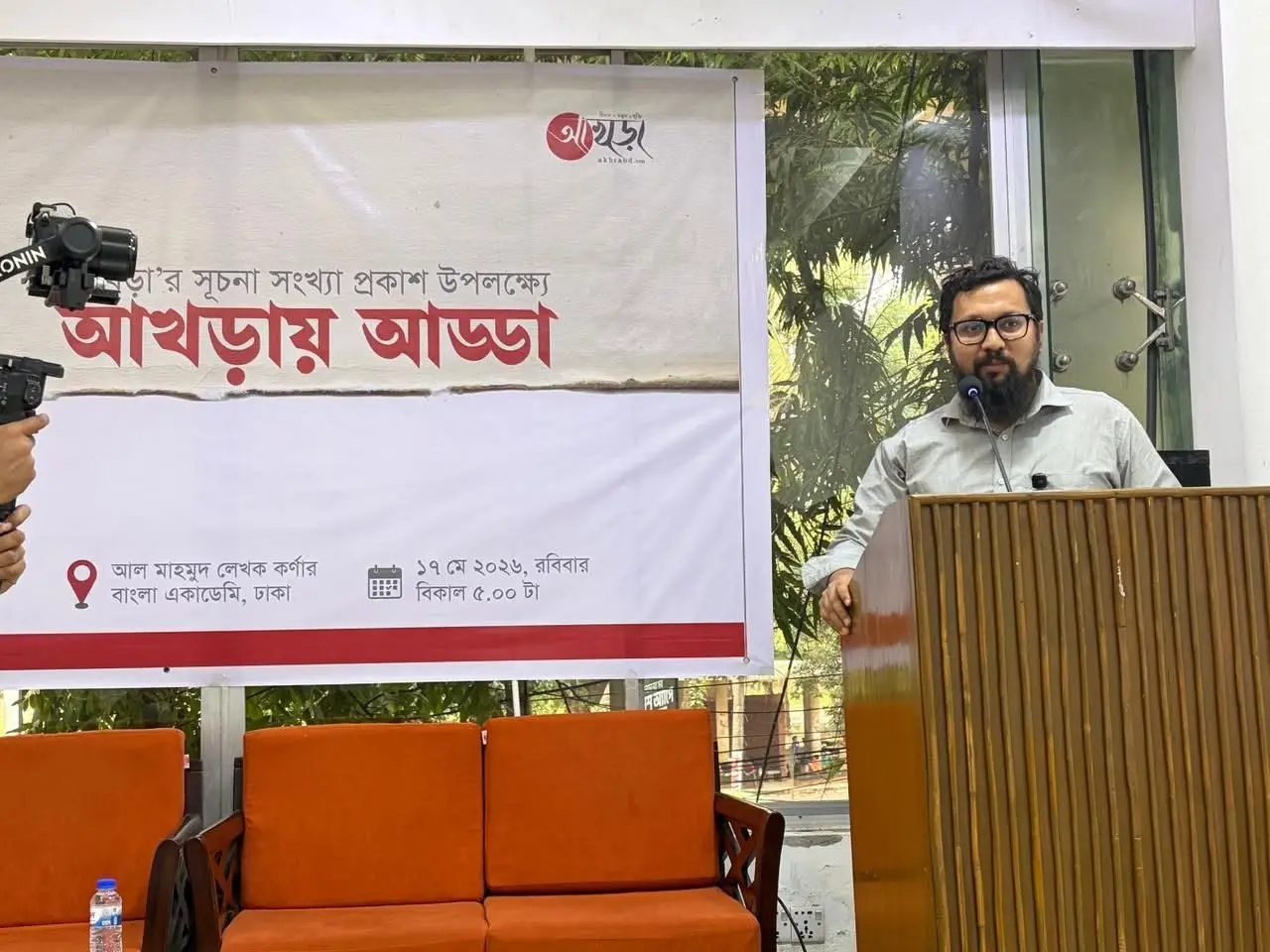
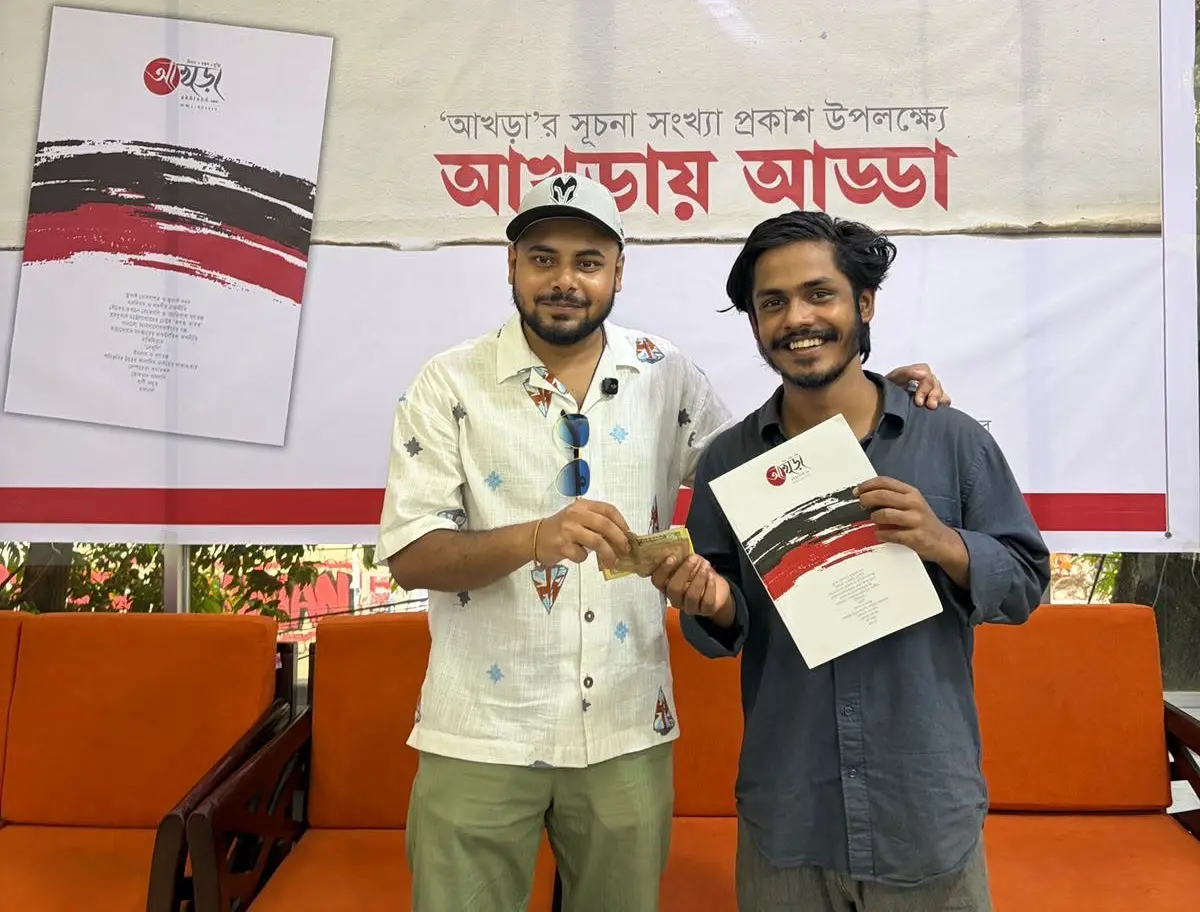
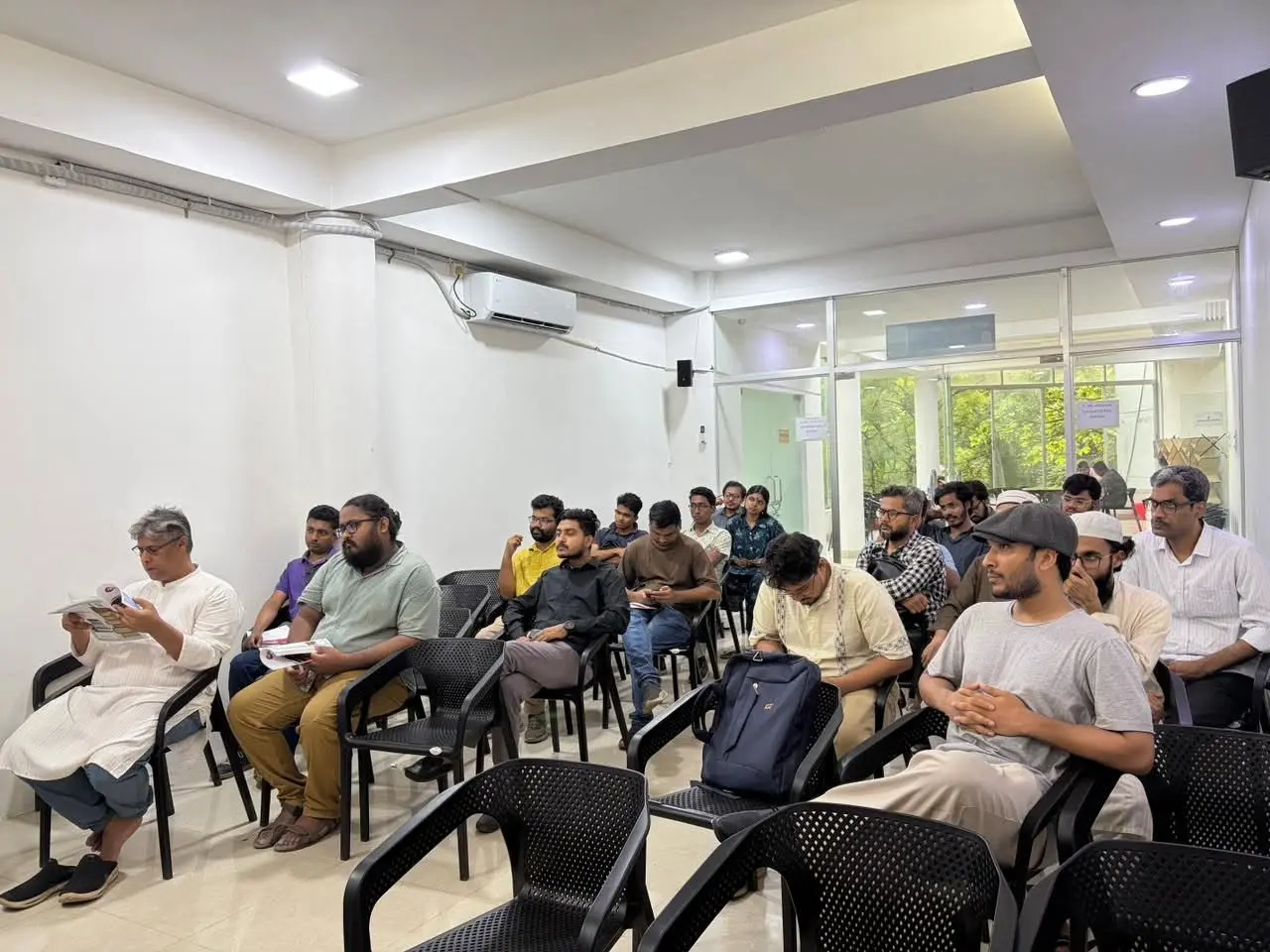
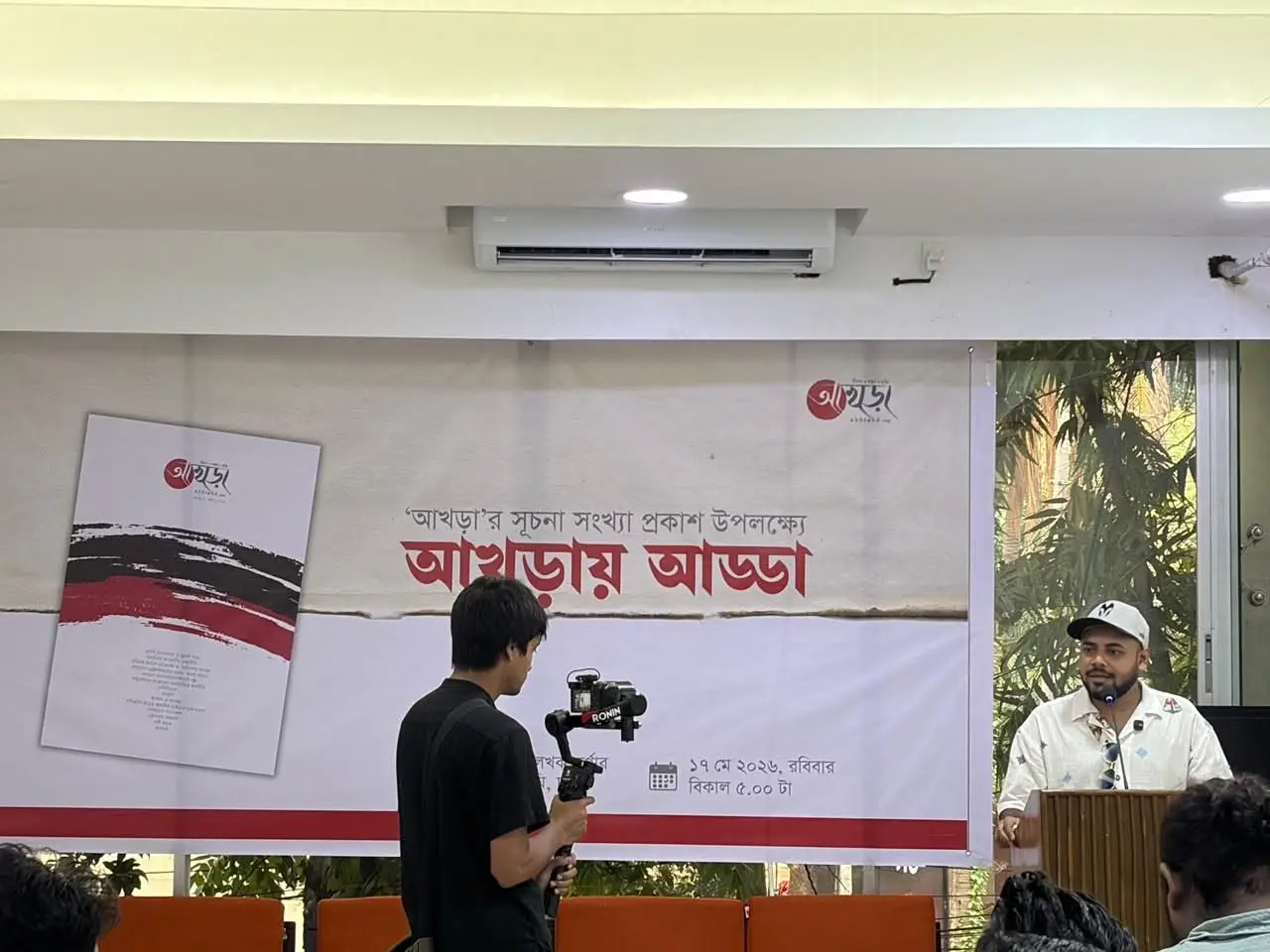
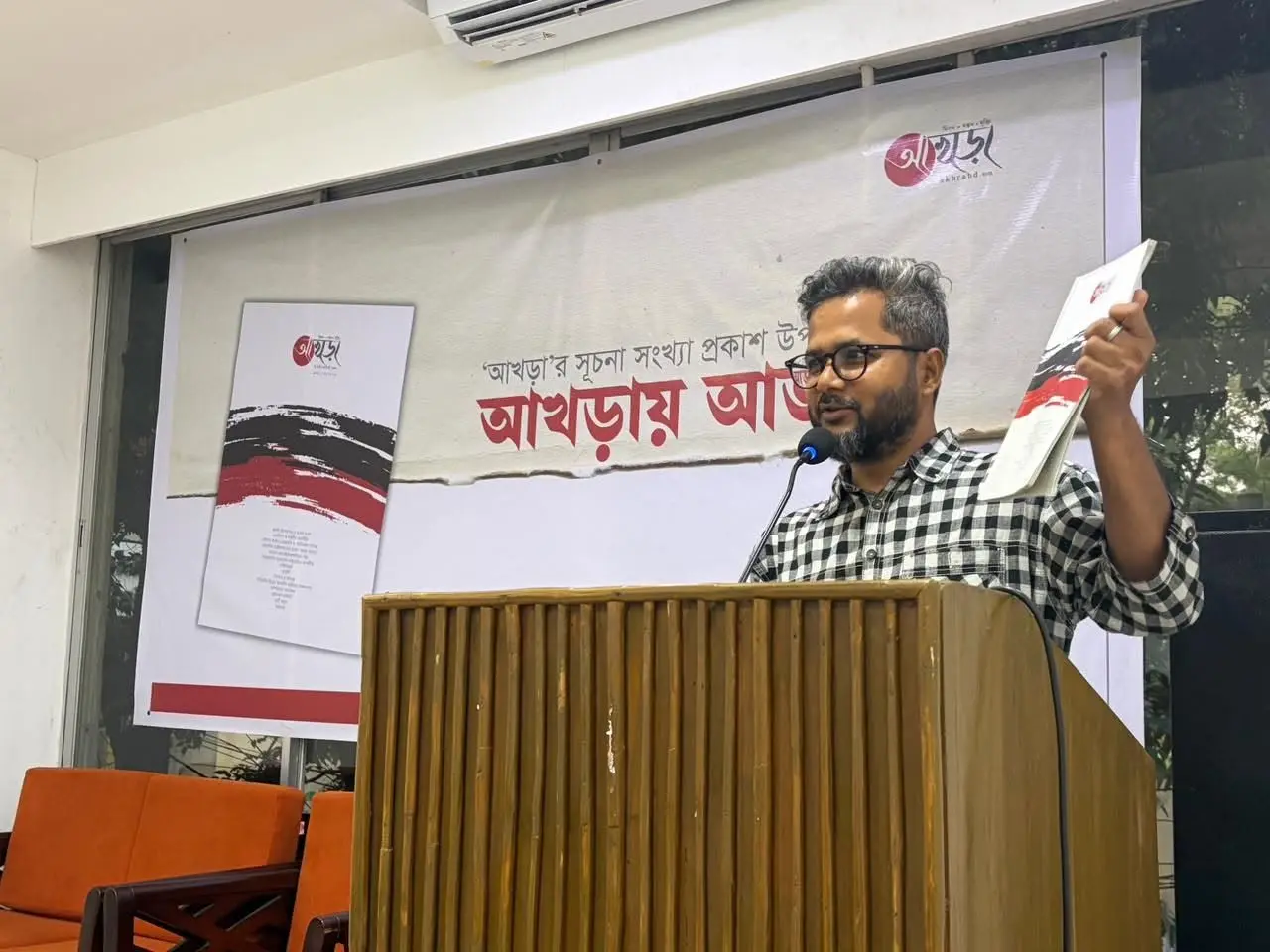
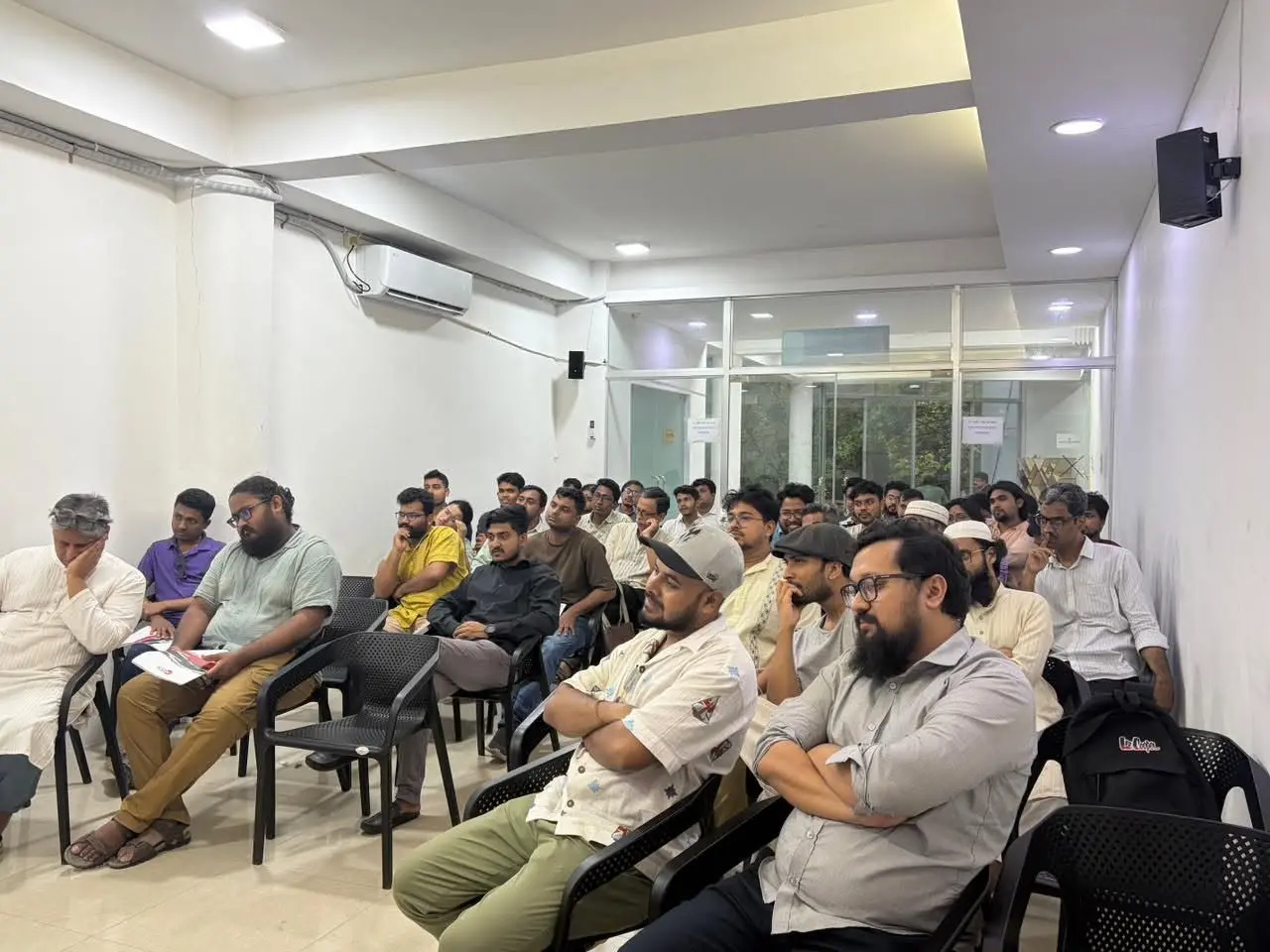
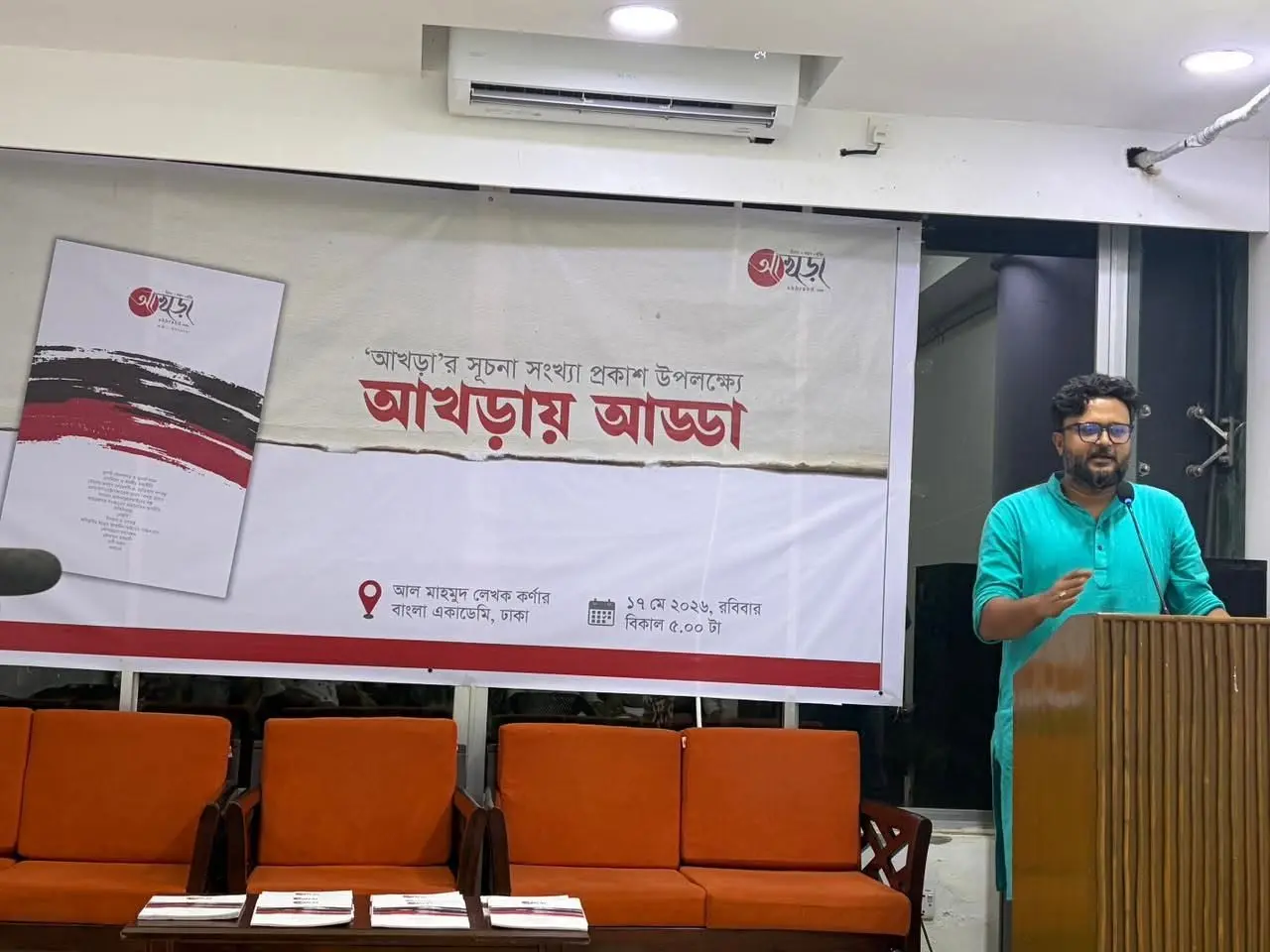
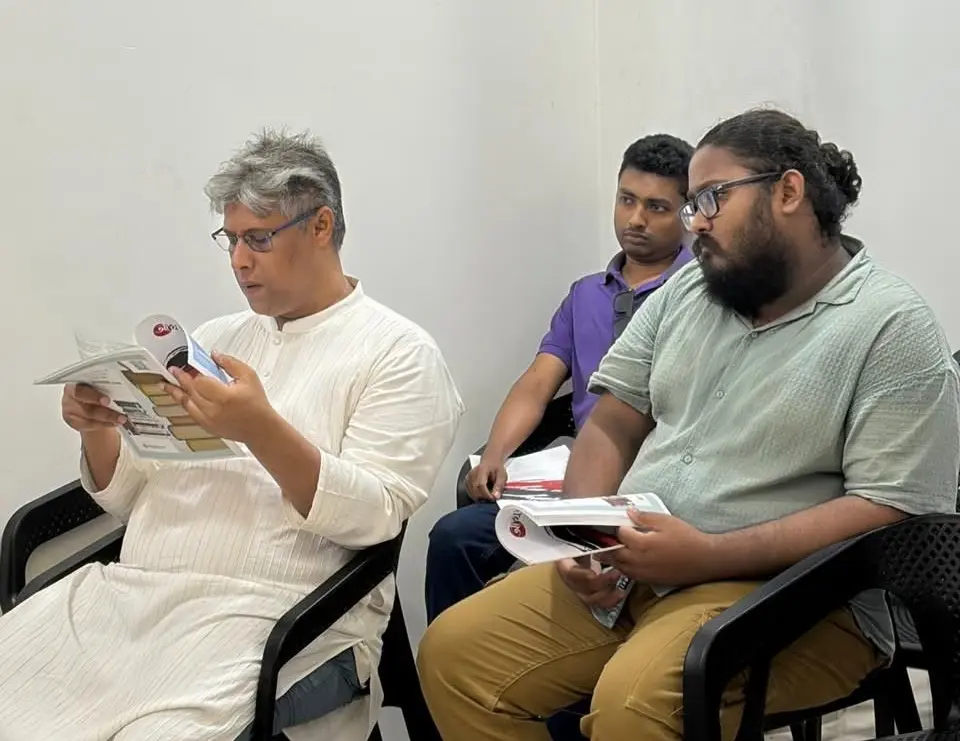
In the unprecedented mass uprising of 2024, a tyrannical government was overthrown. A new journey for the state of Bangladesh began on the path of equality, human dignity, and social justice. We are still walking with unsteady steps through the tunnel filled with light and darkness of this new history that is yet to be fully formed. The results of our new journey have not yet become completely clear.
During the era of the previous dictatorship, the vast intellectual resistance movement was shaping our new political consciousness and identity, creating a fresh, unconventional language and system of symbols against the old political language, signs, and regulations, forcefully dismantling the ideological foundations of the authoritarian state apparatus, and manifesting the eternal desire for human liberation in the proposal of a new state vision—August 5 was a pivotal moment for all of this. The collective uprising of the student masses in July was a miraculous explosion of all those thoughts and activities.
But then what? After the massive tide of July receded, we saw that we could not reach any minimum consensus in response to this question. In the struggle to restore human dignity that we had embarked upon, what will its destination be, or what should it be, in the realm of real politics? We have not been able to present any comprehensive answer to this question in the public sphere. The 'July Charter' is indeed a kind of answer; however, it too has become fraught with various ambiguities, uncertainties, and discord.
A new journey towards democracy has begun in Bangladesh. In this situation, there are significant challenges ahead for our intellectuals, activists, and civil society.
On one hand, the old segment of Bangladesh's civil society has disappeared, while the new awakened segment born during the last regime has joined the interim government and various political parties. The hyper-politics of distrust and division has taken over the post-coup civic space. This situation was indeed predictable; however, it was not desirable. In this context, we must begin the struggle to reconstruct a new political and intellectual society.
On the other hand, there is a serious ritual of constructing political language. The entirety of our generation's political activism has taken place during the era of fascist or authoritarian regimes. The political language with which we have responded to tyranny, during the democratic transition or at the democratic level, is something we also need to construct. This is a long-term struggle. Often, our political language also determines our direction.
The new, fresh language and symbolism that the July generation was developing to break down and overthrow the powerful authoritarian regime must now be made capable of constructing a new political culture and cultural politics within a democratic framework. The dream, aspiration, and realization that made July possible must now be transformed into reality through a way of thinking, language structure, and operational framework that brings forth language, symbols, slogans, and wall writings. The overwhelming flood of spontaneous emotions from July has left a vast fertile soil in this land, and now we must cultivate a bountiful golden harvest with the dedication, caution, and skill of a meditative farmer. How difficult this task is, we have undoubtedly sensed to some extent in the post-July period.
This difficult, challenging, yet incredibly important task is what 'Akhrā' wants to begin. Just as in Akhrā, a new person and a new space for democratic culture emerge through an open, spontaneous, decentralized, and vibrant encounter and confrontation among people of all opinions and paths, similarly, it was the spontaneous convergence and churning of various opinions and paths that made July possible. We seek to find a new direction for liberation by embracing that active, spontaneous, collective, and spiritual current of convergence and churning.
Join in this oceanic journey of 'Akhrā'!
Our goals and objectives
'Akhra' aims to promote the thought and practice of building a free, humane, democratic, and justice-based society. We believe that social change requires new ideas, new language, and new cultural spaces. One of our main objectives is to create an environment of open dialogue, reasoned debate, and mutual respect among people of diverse opinions, paths, and experiences. In addition to encouraging independent thinking, creativity, and civic participation among the youth, we want to create a space for responsible thought regarding the history, society, politics, art, literature, and culture of Bangladesh.
Questioning the limitations of conventional political language and thought is an important part of our work in seeking new possibilities. We want to explore paths to build a future based on equality, human dignity, and social justice by incorporating the voices and experiences of marginalized people in the discussion. Through unity, reflection, dialogue, and collective initiatives, 'Akra' aims to create an open space for new ideas and democratic culture.
What we work on
‘Akhra’ works in various important areas related to language, literature, history, philosophy, society, culture, and politics—aiming to understand people and the state. The language and literature of Bangladesh, classical thought, and the ideas of renowned writers and intellectuals are significant parts of our discussions. We engage in reading, research, and open discussions on nationalism, democracy, the state, power, citizenship, social justice, and human dignity. Our work will also continue to address various questions regarding the changes in contemporary society, the thoughts of the younger generation, and political and cultural transformations. Through art, culture, wall writing, publishing, and creative activities, we aim to create spaces for new thoughts and expressions. By involving people with diverse opinions and experiences in discussions, debates, and reflections, we contemplate the present and future of Bangladesh. The main objective of our work is to connect knowledge, thought, and creativity with human liberation and social change.